











ECMA members profit from numerous benefits and services
.
European Candle Manufacturers Association
The European Candle Manufacturers Association, ECMA, is the collective voice of European candle makers and their suppliers. It promotes the safe use and enjoyment of candles, and it makes sure that that the candle makers´ interests are heard and understood.
Objectives
The association has the following major objectives
01
Informing about and participating in developing the regulatory environment
02
Promoting standardisation, the safe use and enjoyment of candles and selected accessories used with candles
03
Providing legal assistance and other advice to help its members to comply with all legal, normative and customer-specific requirements
04
Promoting fair competition and the economic and commercial interests and competitiveness of all members
View all
Membership
Representation
Benefit from professional representation and get heard by authorities, NGOs and the media.
Compliance
Get regular updates on relevant legal and normative developments and tailor-made expert advice to help you comply.
Networking
Become part of the industry leaders' network and meet your co-members and other European or global stakeholders at personal and virtual conferences or workshops.
Knowledge
Get access to joint research, studies, insights and extensive statistical data to widen your knowledge.

Feb 17, 2026
Repsol Becomes ECMA Lanyard Sponsor
Jan 27, 2026
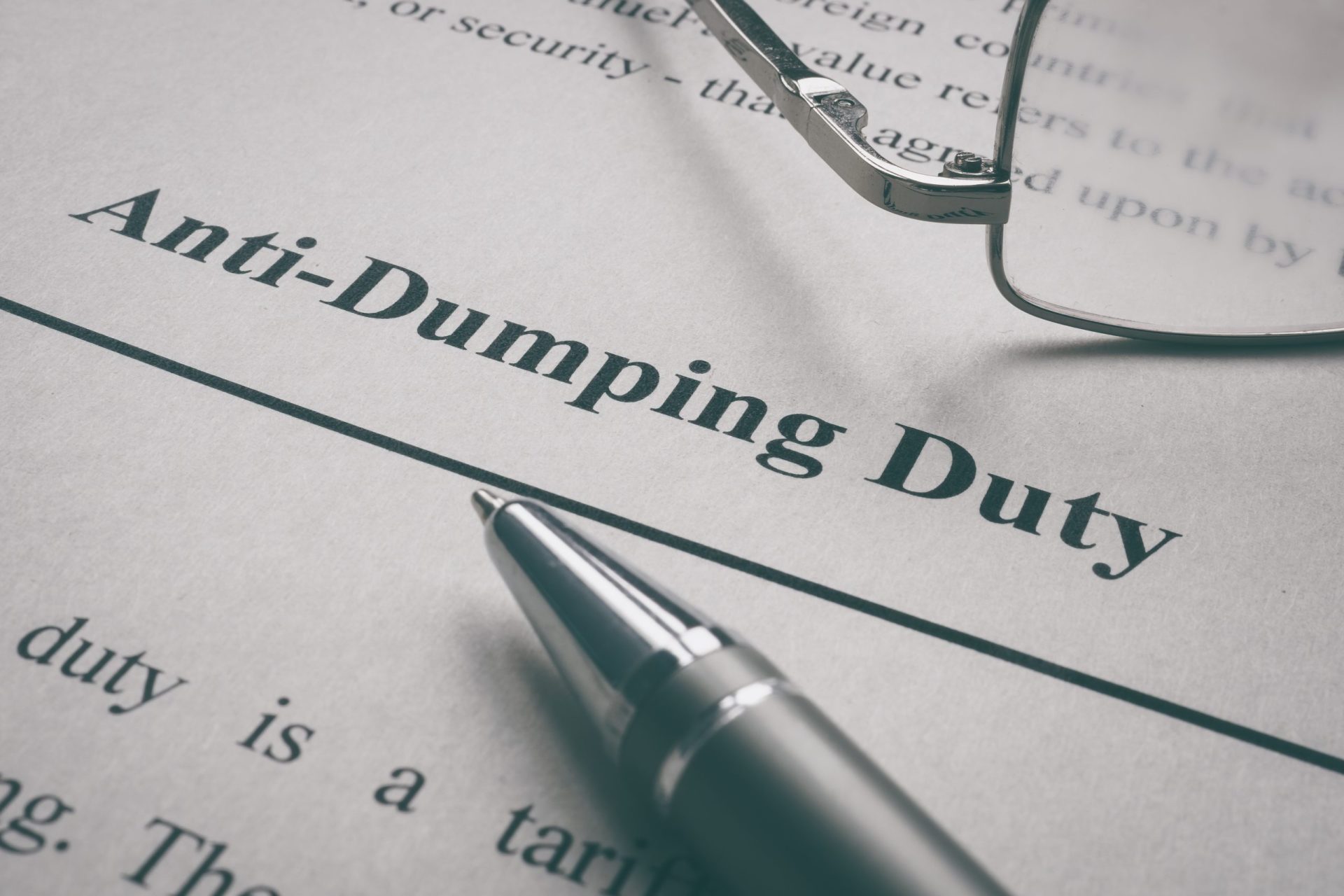
EU publishes definitive anti-dumping duties on candle imports from China

Nov 24, 2025
Registration for the ECMA General Assembly is now open!

Nov 24, 2025
ECMA Partners with the London Home Fragrance Show 2026

Aug 07, 2025
Celebrating World Candle Month!

Jul 18, 2025
EU decides to impose anti-dumping duties on Chinese candles
F.A.Q.
How does a candle work?
When you light a candle, the heat of the flame melts the wax near the wick. This melted or liquid wax is then drawn up into the wick by capillary action. The flame’s heat vaporizes the liquid wax and it reacts with oxygen to produce water vapor and carbon dioxide (the same byproducts that humans produce when exhaling).
What causes a candle to smoke, and what can I do to correct it?
A well-made candle will create virtually no smoke when burning properly. Consumers often incorrectly believe their candles are sooting because of the fuel type, fragrance, colorants or additives used in the candle’s formulation. But sooting is primarily due to flame and combustion disturbances. If the wick becomes too long, or an air current disturbs the flame’s teardrop shape, small amounts of unburned carbon particles (soot) will escape from the flame as a visible wisp of smoke. Any candle will soot if the flame is disturbed.
To avoid this, trim the wick to the length specified by the manufacturer (most commonly 1 cm) and be sure to place candles away from drafts, vents or air currents. If a candle continually flickers or smokes, it is not burning properly and should be extinguished. Allow the candle to cool, trim the wick, make sure the area is draft free, then re-light.
Why are candles so popular?
Candles are one of the most enjoyable, affordable, and readily accessible luxury items. They infuse the home with color and fragrance, and can help create a special warmth and ambiance to allow for a sense of calm and well-being.